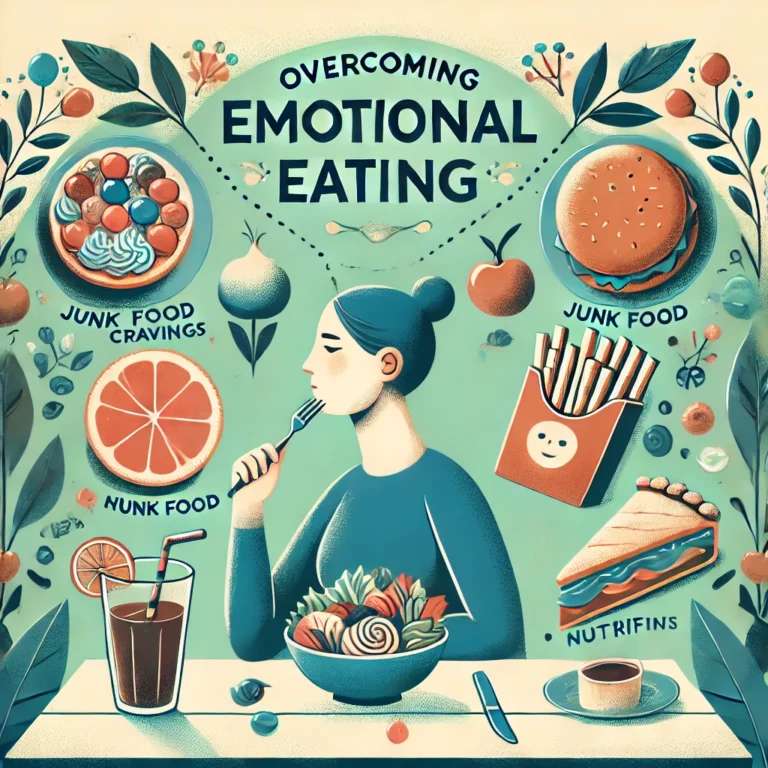
If you find yourself grabbing chocolate, bread, or cookies the moment stress hits, you’re not alone. Most people blame “emotional eating,” but the truth is deeper.
The hidden gut mood connection is the real reason stress pushes you toward comfort foods.
Stress doesn’t just affect your thoughts; it shifts your gut, hormones, blood sugar, and even the microbes living inside you. Once you understand this, stress snacking becomes something you can finally control.
If this topic resonates, you may also want to read Subtle Signs of Emotional Eating You’re Ignoring.
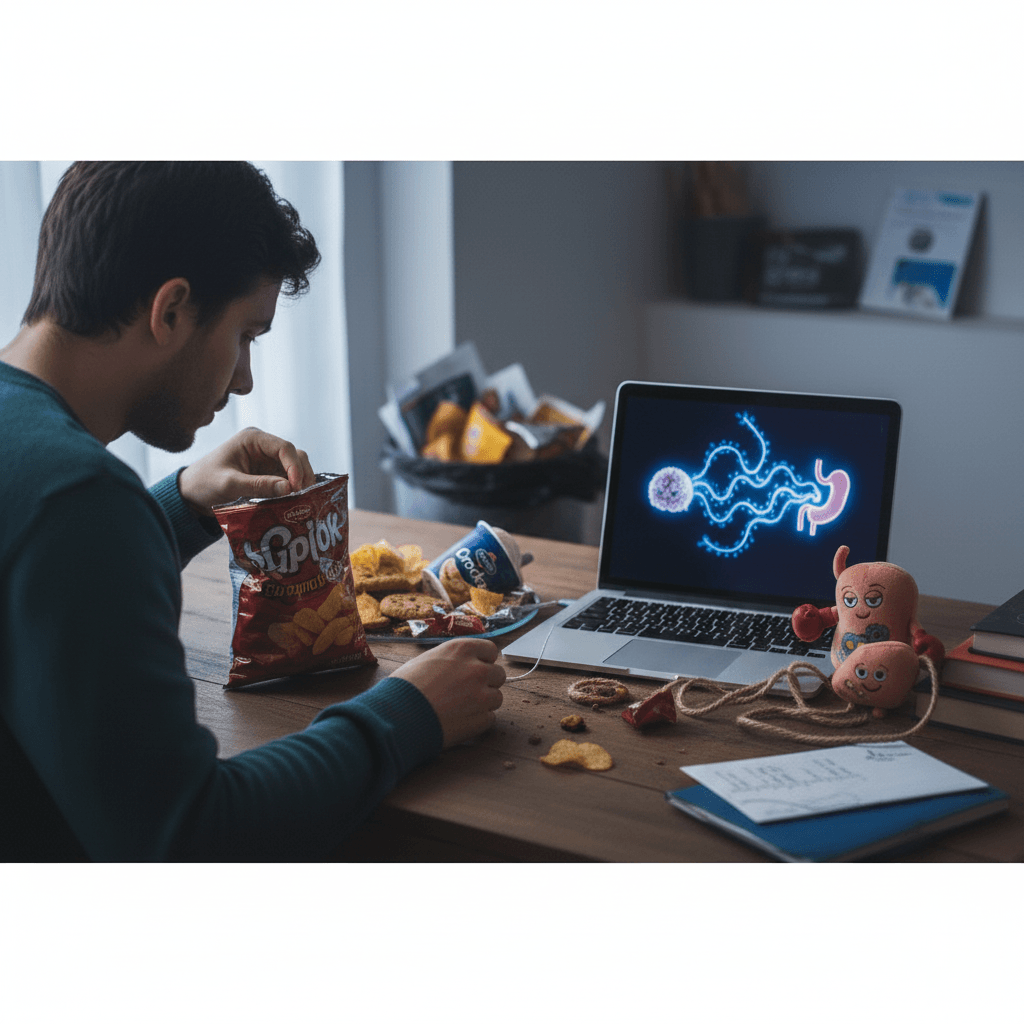
How the Gut Mood Connection Drives Stress Snacking
When you’re stressed, your brain hunts for a quick reward. This is where dopamine comes in, not from eating the food, but from the anticipation of it. Thinking about chocolate, pasta, or cookies gives your brain a temporary “relief spark” even though the food itself never truly fixes the stress.
This is why stress eating feels impulsive. The brain is chasing a feeling it never fully gets.
For more on energy-driven cravings, read Why You Crave Sugar When You’re Tired (And How to Fix It).
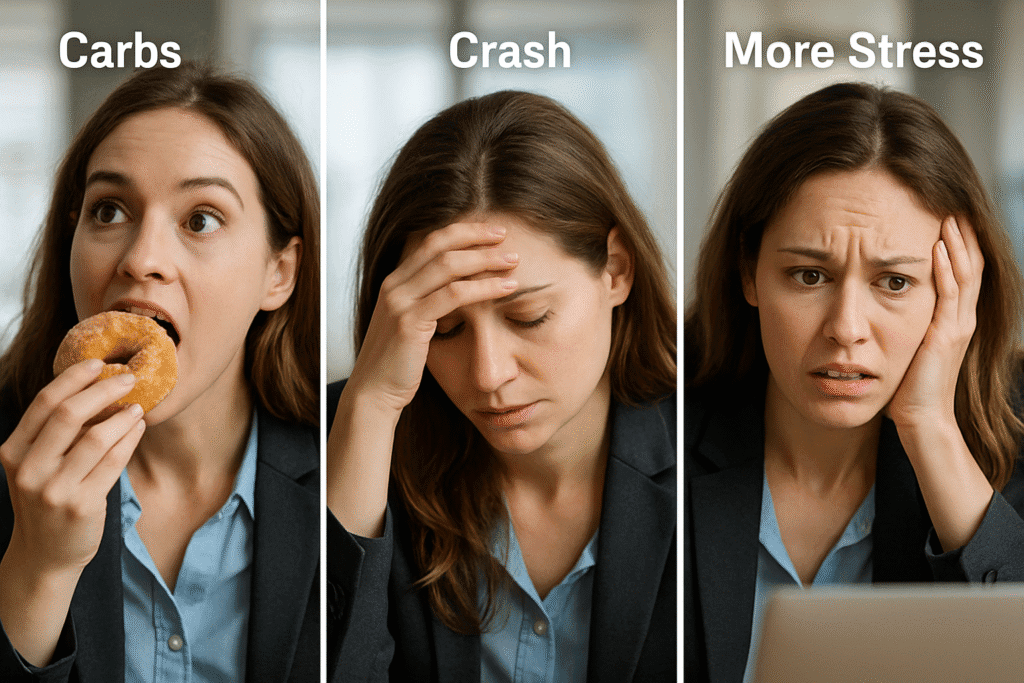
1. Carbs Spike → Crash → More Stress
Here’s the trap:
When you reach for sugary or starchy foods during stress:
- Blood sugar spikes
- It crashes 30–40 minutes later
- Cortisol rises
- Cravings return stronger
This creates a loop:
Stress → Cravings → Carbs → Crash → More Stress
Not a lack of discipline physiology.
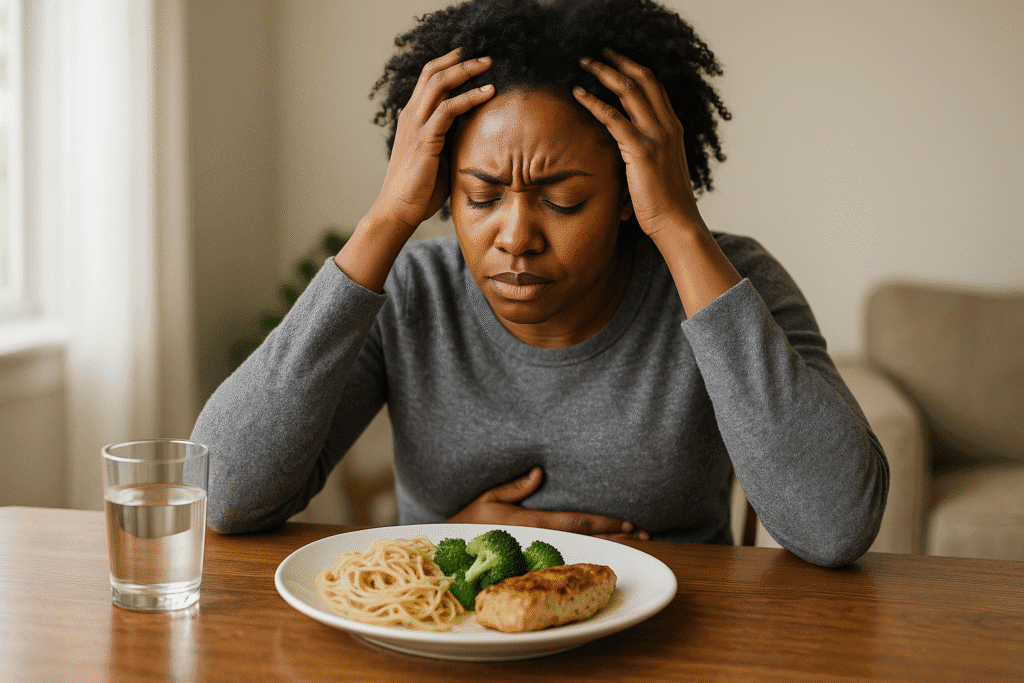
2. Stress Slows Digestion
When cortisol rises, digestion slows. Your stomach empties more slowly, bloating increases, and you feel heavier and more tired. Your brain interprets this low energy as hunger, even when you don’t need food.
If bloating is part of your stress pattern, see Foods That Cause Bloating (Even Some Healthy Ones).
3. Your Gut Bacteria Influence Cravings
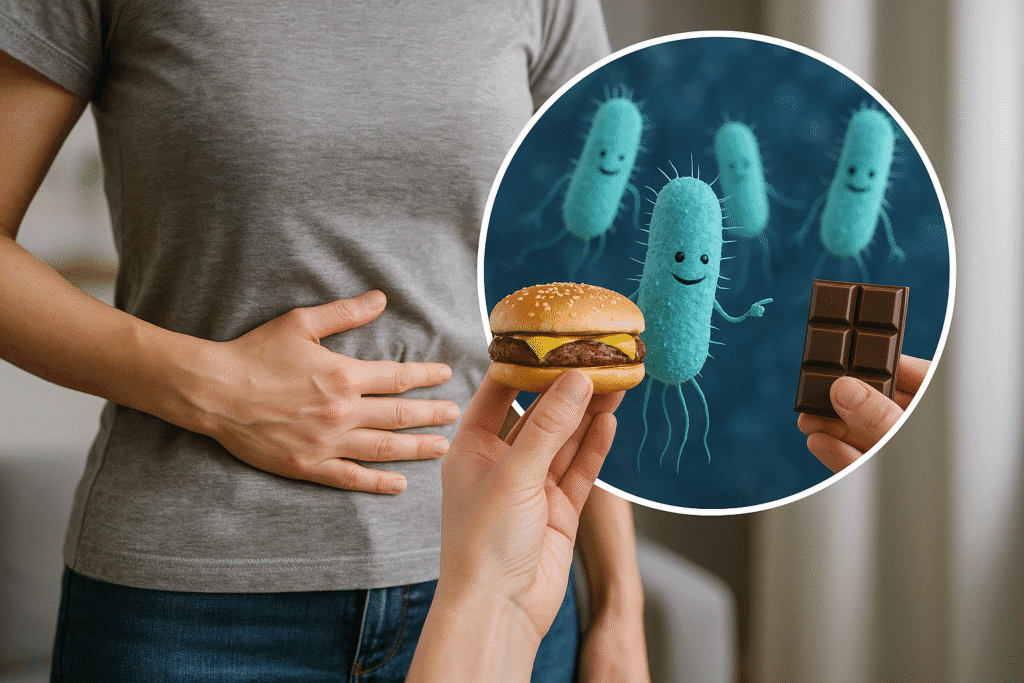
When you regularly turn to carbs under stress, you feed the microbes that thrive on sugar. These bacteria send signals through your gut–brain axis, pushing you to crave the foods that keep them alive.
This strengthens the gut mood connection:
stressed brain → stressed gut → stressed microbes.
4. Five Gut-Friendly Stress Relievers
To break the cycle, you need tools that calm the gut and the brain.
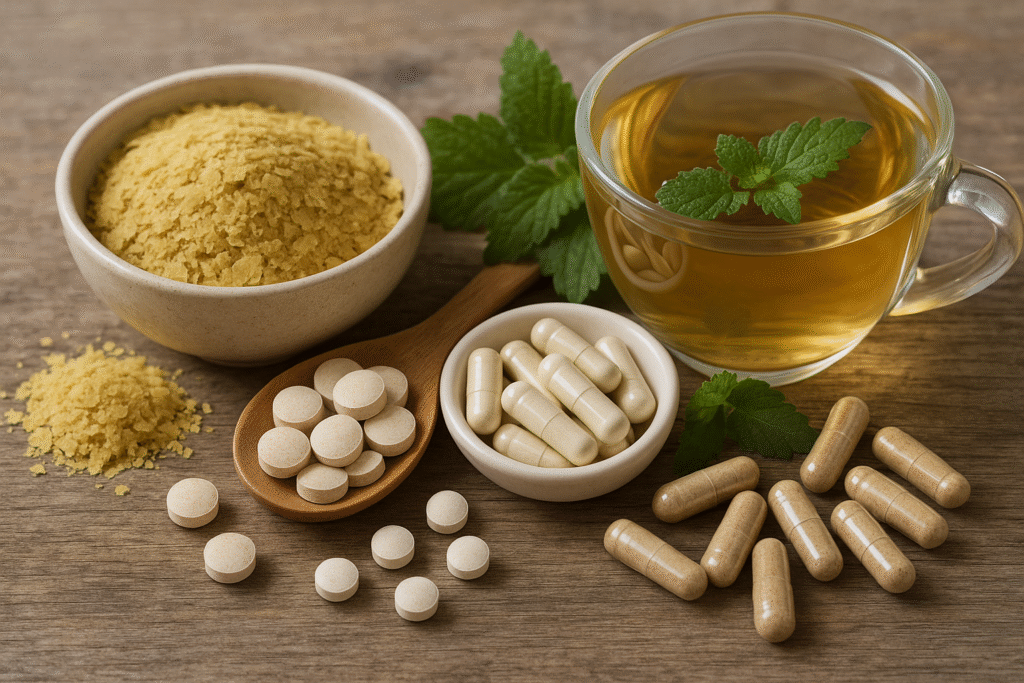
1. Vitamin B1 / Nutritional Yeast
Helps reduce stress quickly. Choose unfortified nutritional yeast for the cleanest option.
2. Magnesium
Supports relaxation, digestion, and steady energy.
3. Lemon Balm Tea
A gentle herb that soothes the nervous system.
4. L-Theanine
Calms the mind without making you sleepy.
5. Adaptogens (like Ashwagandha)
Increase resilience during long-term stress.
For additional support on cravings, see How to Stop Late-Night Cravings and Take Back Control
Final Thoughts
Stress snacking isn’t a lack of willpower, it’s your gut–brain system asking for help. When you support your gut, your cravings stabilize, your mood improves, and food becomes nourishment again.
If you want a simple way to calm digestion and reduce cravings naturally, download the free 7-Day Gut Reset Plan.